How to Make Simple Homemade Bread: A Beginner's Guide to Baking Bliss
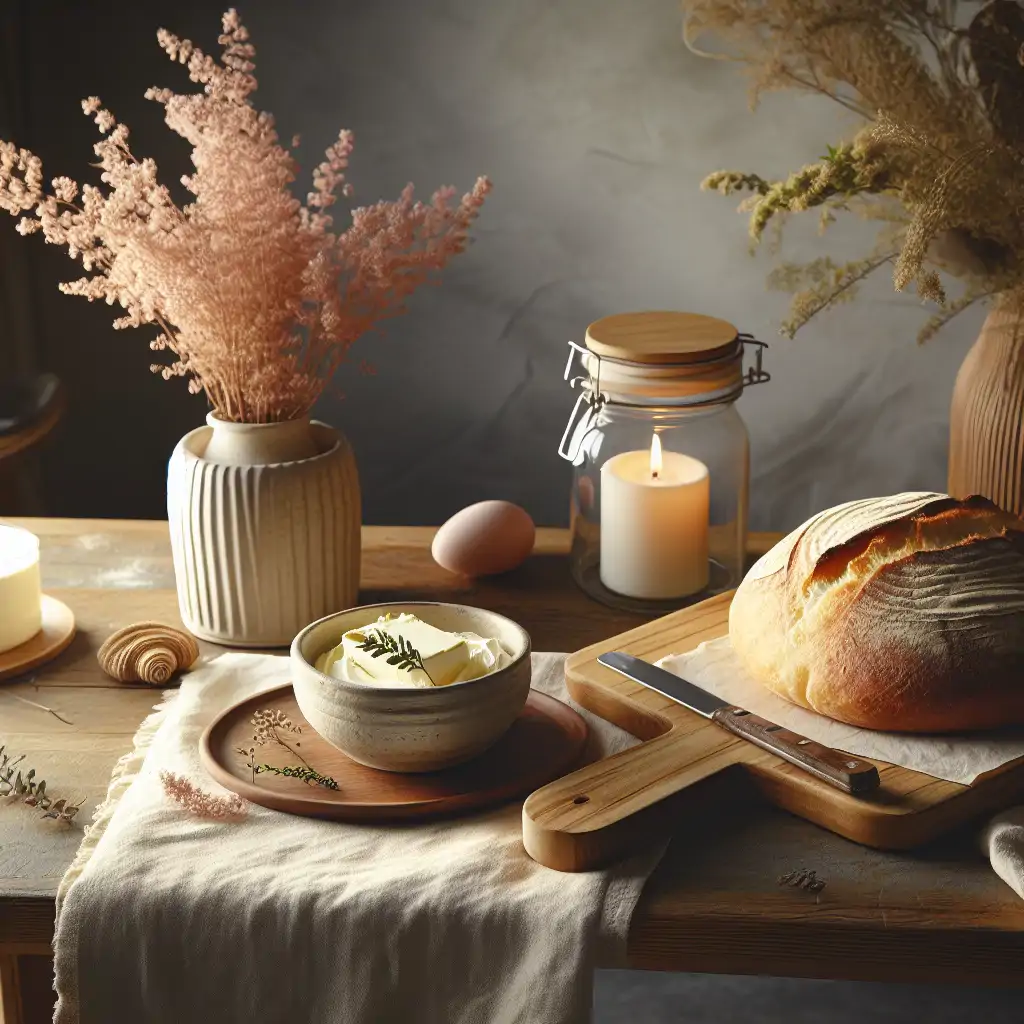
Ah, bread. That delightful creation that's the staple of our diets and a soulmate to butter. But why buy it when you can enjoy the aroma of freshly baked bread wafting through your home? Welcome to our Beginner's Guide to Baking Bliss, where you'll discover how easy (and rewarding) it is to make homemade bread. Whether you're a baking newbie or someone looking to polish their skills, our guide walks you through the essentials of making a simple and classic loaf. But rest assured, while the process may seem dough-ting, we've kneaded out the complications to make this venture a piece of, well, bread. Get ready for some flour power!
In this guide, we'll take you knead-deep into the art of bread-making using ingredients you probably already have lurking in your pantry. Forget fancy equipment and mystical yeast chants. All you need is a bit of time, patience, and maybe an apron if you're messy like me! Whether you're aiming for perfect sandwiches, divine toast, or simply crave butter harmony, this blog will transform your kitchen into a wonderous bakery. And bonus, you'll have the bragging rights of saying, 'I made it myself,' which is just the icing on the cake—or butter on the bread.
Prepare to embark on a bready adventure as we demystify the process, provide fun tips, and arm you with troubleshooting advice (because let's face it, not everything goes yeast to plan). So, dust off your baking tins, roll up those sleeves, and let’s bake the world a better place, one loaf at a time. And remember, if all else fails, it’s still a great excuse to play with dough.
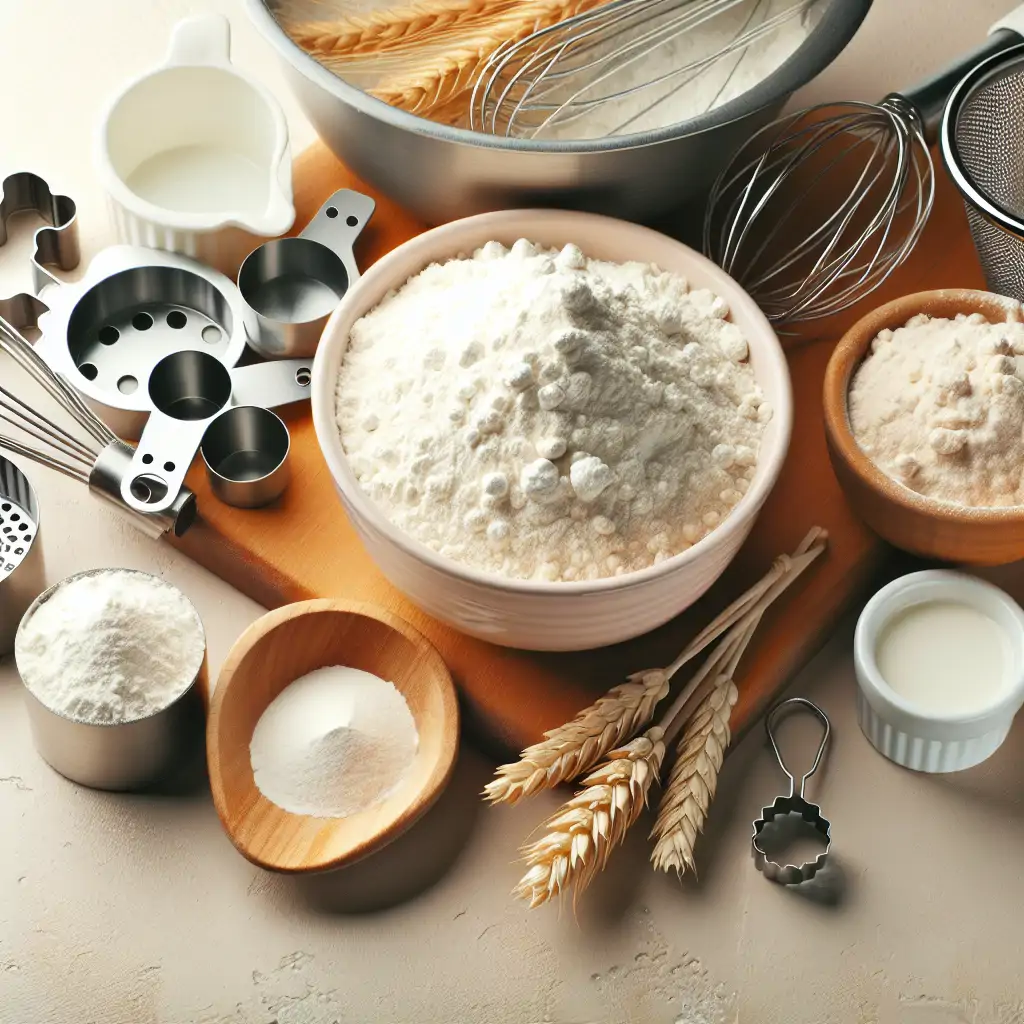
Every great baking journey begins with the right ingredients. For our simple homemade bread recipe, you'll need all-purpose flour, yeast, salt, sugar, water, and a bit of oil. Start with checking the yeast’s expiration date. Remember, yeast is like a tiny army of fungi ready to give your bread life—or, if expired, it might decide to take a day off, leaving your dough feeling flat and unloved. The magic begins by feeding the yeast – give it some sugar and warm water. Think of it as a special retreat for our yeast buddies, preparing them to work their leavening magic!
Let’s talk about tools. You don’t need a bread machine to be the bread winner. Just a mixing bowl, a sturdy spoon (or your hands), and a baking tin will do. A kitchen scale is handy for precision, but if you're like me, living life on the wild (measurement-free) side, traditional measuring cups will do fine. Prepping your workspace can keep things smooth and, more importantly, keep flour explosions at bay. Remember, organized chaos is the essence of art, but bread wise, a bit less chaos suffices.
Now comes the fun part—mixing! Combine your dry ingredients first, then add the yeast mixture and oil. Dive in with your trusty spoon. Mixing the dough until it’s a shaggy mass is both masterful and, let’s be honest, oddly satisfying. Once the dough has set into its shaggy phase, it’s time to adapt your ‘kneads must’ attitude. Bring the dough onto a floured surface and work it until smooth and elastic. Consider this knead therapy—a tactile experience that many bakers find delightfully stress-relieving.
Ah, the infamous first rise. Here's where your dough enjoys a spa-like experience, relaxing and doubling in size. Place your newly-massaged dough into an oiled bowl, covering it with a damp cloth to maintain humidity. An hour of rest in a warm spot should suffice. As you wait, kick back with a cup of tea, or vaguely watch rustic bread-making videos on repeat. You may also start conjuring up sandwich ideas for when your bread transforms from dough to loaf.
Check your dough’s progress—it should have doubled in size. This is where the hands-on fun picks up again. Punch the dough—to release the air, of course. Picture it this way: you are the hero bringing it back down to earth. Once de-gased, shape it into a loaf. Place it into a generously greased loaf tin. It's ready for what we bakers fancifully call 'the second rise'. 30 to 40 minutes later, you’ll notice it puff up once more, letting you know it's time to crank up the oven to 350°F (or 175°C).
With our shaped loaf ready for the oven, it’s time to bake! Pop your soon-to-be-bread into the preheated oven and wait. Patience, my fellow baker, for bread, like fine wine, takes time. Thankfully, unlike wine, bread pairs excellently with a softening knob of butter almost immediately after baking. 30 minutes later, and you’ll know it’s done when the loaf is golden brown, and tapping the bottom gives a satisfying hollow sound. Your creation is ready to crustify your world!
Why does bread rise, you ask? Here's a slice of science: yeast is activated by warm water and sugar. As it ferments, it releases carbon dioxide, making the dough expand like that one friend who can't stop talking. Meanwhile, gluten—a protein network in flour—acts as the dough’s skeleton, trapping the gas and giving bread its structure. It's chemistry, biology, and a smidgen of magic all rolled into one harmonious loaf.
Want that perfect crusty top? Once your bread is baked, you can brush the crust with butter straight from the oven. This adds not only a beautiful sheen but that buttery taste we all secretly crave. Or, for a rustic approach, sprinkle flour atop before baking. Create artful swirls or geometric shapes if you fancy yourself an avant-garde baker. Just remember, whatever design you choose, your bread isn’t just food; it’s a secret doorway into your creative soul.
Rising troubles? If your dough decided to stay flat as a pancake, check your yeast. Unsuitably cool water or faulty yeast can be the culprits. Also, the salt should never directly touch yeast in its pre-dough phase, lest you wish to witness yeast demoralisation at its finest. Warmer climates rush yeast activity too, so sometimes dough simply needs to chill. Patience flourishes in cooler environments, so find that sweet yeast spot for your dough's serenity.
Is your bread heavy enough to double as a doorstopper? Let's air out your bread issues: under-kneading, incorrect flour type, or insufficient proofing time can all lead to this density disaster. Aim for a dough hand-kneading timeframe of 8 to 10 minutes, flour balance, and carefully observed rising times. Getting to know your dough is akin to any relationship; it requires patience, observation, and sometimes saving apps for measuring while you ponder complicated ‘dough dynamics’.
If bread baking is a marathon, slicing the finished loaf is its victory lap. But remember, freshly baked bread is a Trojan horse of crumb potential. Let it cool substantially post-bake to savour uncrumbled slices. However, if your patience resembles a hungry dog, cool it long enough to not risk a scorched tongue. A serrated knife works best here—those trusty pebbles of crusty loaftain will be scaling beneath your culinary expertise effortlessly.
For bread with a perfect crumb, understanding the elements of a balanced mix ensures mindful ‘dough-engineering’. The question isn’t about achieving deity-like knowledge of proportions and influences but gaining intimate knowledge of your dough's feel and response. Many bakers identify what works through practice, noting texture and elasticity over precise quantity measurements. Embrace the unraveling of baking’s mysteries one loaf at a time. Remember, you are the bread master; the bread making isn’t mastering you.
Another facet of bread-making bliss: simple ingredients, endless possibilities. Master artisanal classics by alternating with different flour bases like whole wheat or rye flour, augmenting its health factor and aesthetic textural appeal. Or, personalize it with creative mix-ins like seeds, nuts, herbs, or cheeses. Figuring out ratios is as exciting as playing dough-sitter for gummy temptations. Bread is a blank canvas for inventive, culinary self-expression waiting to rise within.
A peek into Europe might help understand bread dynamics. The French take pride in their baguettes, skillfully tapering the batter’s handling and rise. Italians share rustic love with ciabatta, demanding ample moisture and a reminder never to knead. German bread boasts rye sincerity, maintaining a dense core with their obligatory caraway seeds. Bread is a worldwide delight whose nuances are delectably infinite, each variety unveiling tantalizing uniqueness from cultural inheritance.
Ready to diversify your bread? Sourdough is that elusive wildcat of bread, with its charming allure and intriguing tang. First, find a starter—you can make your own with flour and water—and nurture it as you might a darling tamagotchi. This live yeast cultivates unique flavors via fermentation, imparting its identity to the resulting loaf from the symbiotic yeast-lactic acid relationship. Sourdough engages endless cottage communities cultivating distinction across sour cultural tapestries.
Rising above ordinary shouldn't diminish intrinsic craving for simplicity. Ultimately, revisit your classic loaf masteries, recognizing elemental flour, yeast, salt, and sugar as dignified gatekeepers of comfort. Varieties entertain variation yet master the core principle—seek balance. As one becomes equilibrium-proficient, exploration unfolds naturally. Take pride in culinary artistry while pursuing palate satisfaction, acknowledging the passionate complexities birthed from simplistic bread-elegance.
Is there a best-kept secret to bread resplendence? Yes, it's steamy! For crust that crouches between exquisite and rustic: introduce steam to the baking environment. Using a heated metal pan on your oven's bottom filled with hot water (careful, dear baker!), injects steam during bake’s incipient stage. This suffuses glorious bloom and crust completion—it's moisture couture for bakers cosmopolitan in guise!
Now let’s zero in on life after baking. Bread storage contemplates a vexing world of viable vacuum options. Consider cotton bags, a snug fit for airing convenience and extended freshness. For loaf twins like ciabatta or baguettes, linen bags preserve character with flair. And let’s not overlook a fundamental decree: the refrigerator’s frosty kingdom plunges loaf life into staleness abyss. Freezer, not fridge; your sworn adversary makes fast foes!

Congratulations! You've traversed the floury path of homemade bread making. Through yeast trials and crumb tribulations, you're now ready to share your kneading prowess with the world (or at least the lucky folks in your home). Remember, the art of bread-making is as much about the journey as it is the destination. Each loaf tells the story of its maker—some will be modest, others grand and glorious. Whichever form your bread takes, it’s a testament to your newfound skills and culinary courage.
As you continue on this baking adventure, don't shy away from experimenting. Be it adding herbs, seeds, or baking a new style altogether, each dough represents a canvas eager for an artistic touch. And remember, in bread, as in life, even the odd flop is a stepping stone to greatness. Friends, toast to today’s effort and tomorrow’s potential. Armed with flour, yeast, and a hearty dose of humor, you're ready to rise to the occasion, again and again.
So, spread that butter, slice that loaf, and savour every warm bite of your delicious success. You've earned it! With all the tools, tips, and tricks now under your belt, every day in your kitchen can be a celebration of homemade magnificence. Keep baking, keep laughing, and most importantly, keep enjoying the bread of your labors!
Thanks for taking the time to read my article! You may also find this one interesting.
How to Preserve Fresh Produce: Simple Techniques to Keep Fruits and Vegetables LongerTil next time! Prijanka

Prijanka
Prijanka is a wellness coach and inspired blog writer. Drawing from her expertise in holistic health and her talent for motivating others, she writes insightful articles that empower readers to live healthier, more balanced lives, blending practical advice with a genuine passion for well-being.
A proud member of the B-Team
If you're curious to dive deeper into related topics, then you may find these external links useful.
1. King Arthur Baking
Offers comprehensive resources for beginners, including recipes, techniques, and tips for successful bread baking.
https://www.kingarthurbaking.com/learn/resources/baking-tips-techniques2. Bread Baking for Beginners on YouTube
A video guide for visual learners on the basics of bread-making, covering essential techniques and common mistakes.
https://www.youtube.com/watch?v=VEtU4Co08yY3. The Science of Bread: BBC Bitesize
Explores the scientific principles behind bread-making, explaining yeast fermentation and gluten development in an easy-to-understand way.
https://www.bbc.co.uk/bitesize/articles/ztfttrd4. Home Baker's Forum
A community forum where beginner and experienced bakers exchange tips, troubleshooting advice, and share their bread-making journeys.
https://www.thefreshloaf.com/5. Sourdough Starter Guide by The Perfect Loaf
Detailed instructions on how to create and maintain a sourdough starter, perfect for bakers looking to explore more advanced bread recipes.
https://www.theperfectloaf.com/guides/sourdough-starter/©2023 - 2026 SP Software Solutions Ltd. All rights reserved.