How to Fix a Leaky Faucet: A Step-by-Step Guide for Beginners
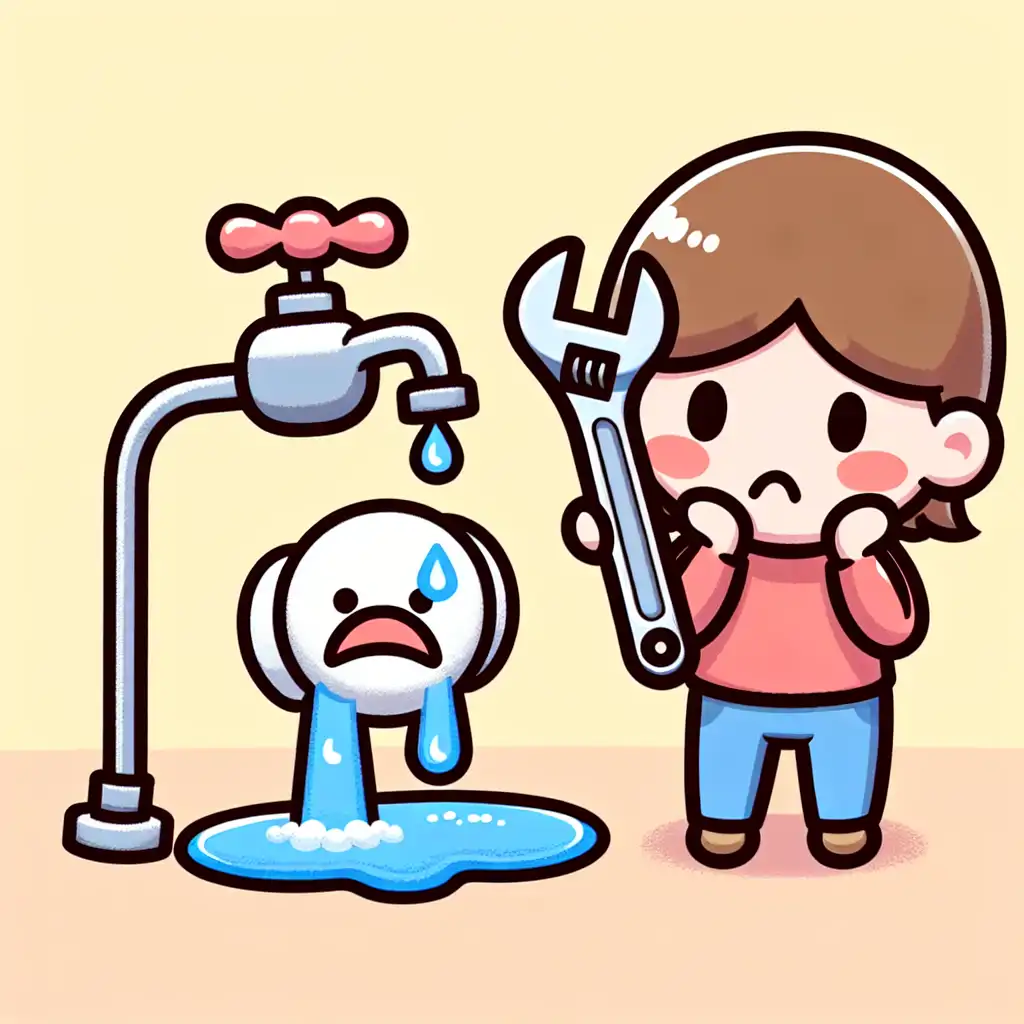
Have you ever been lulled to sleep by the soothing sound of a leaky faucet? No? Neither have we! The constant drip-drip-drip can drive anyone up the walls, not to mention the smirk on your water bill as it calculates every wasted drop. Leaky faucets aren’t just an annoyance; they can waste over 3,000 gallons of water a year. That’s enough to fill a small swimming pool! It’s time to stop this madness, become a household hero, and tackle that leak head-on. Don’t worry; you’re not expected to be a plumbing guru. Even if your DIY skills are more novice than expert, we’ve got you covered. All it takes is a little courage, some basic tools, and this comedic yet enlightening guide. Let’s get that faucet fixed and give it a new lease on drip-free life!
But where does one even begin with such an undertaking? A plumbing degree sounds tempting, but fear not—this guide will provide easy-to-follow steps. From identifying the type of faucet, which is crucial to success, to wielding those tools like a pro, we’ll guide you every step of the way. After all, once you understand the basics, the fear dissipates, and you can focus on the fun. Consider this your initiation into the world of DIY plumbing magic. Say farewell to the dripping soundtrack of your nightmares and embrace the sweet sound of silence.
And so, my dear aspiring plumber, it's time to roll up your sleeves and get down to business. We promise there’s more to fixing faucets than just tightening everything in sight. It’s an art, a journey, and maybe even a story you’ll relish telling your friends. Ready to dive in? Great! Let’s fix that leak and bring tranquility back to your home.
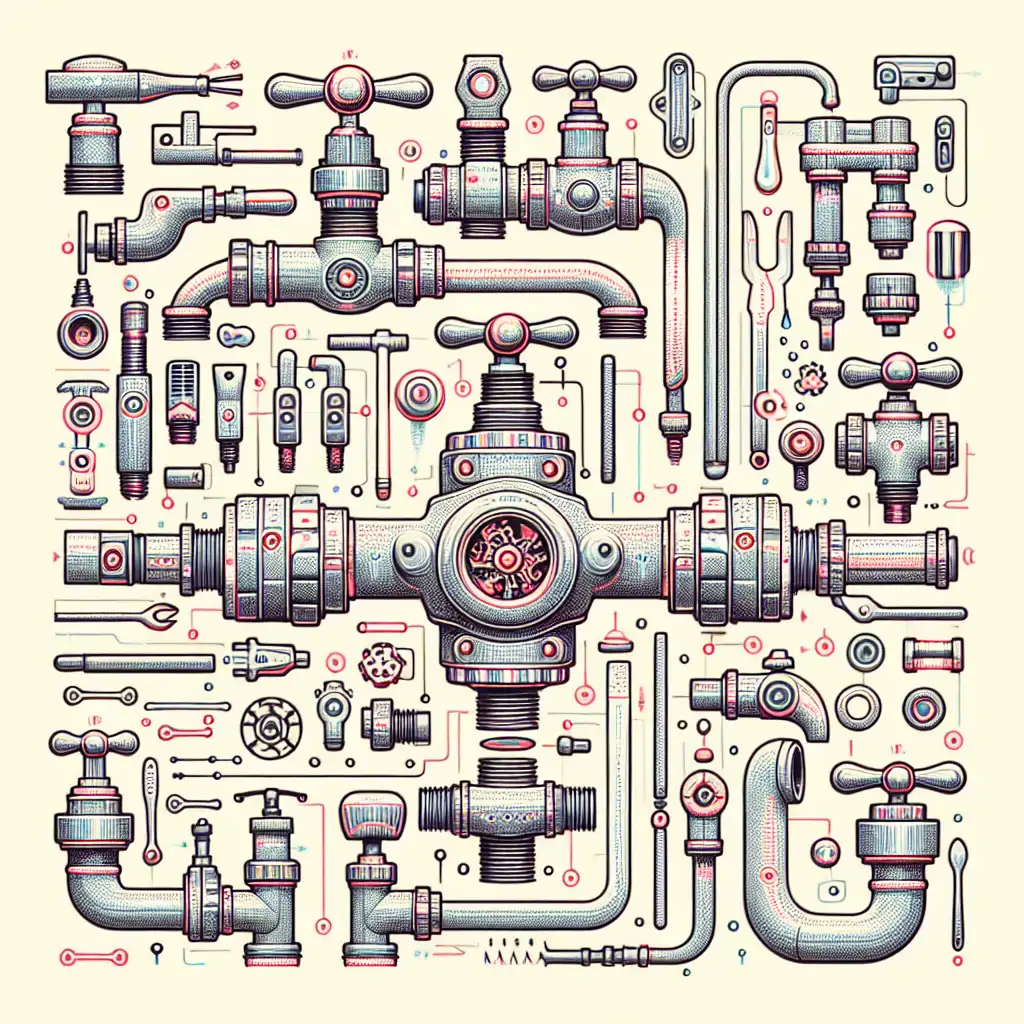
First things first, let’s get acquainted with our enemy: the leaky faucet. Not all faucets are created equal, and identifying your faucet type is the first step in defeating the drip. Common types include compression, ball, cartridge, and ceramic-disc faucets. Knowledge is power, so differentiate between these and know what you’re dealing with. Each has its own quirks and solutions, ensuring your success depends on knowing your foe.
Once identified, the next step is preparation. Much like preparing for a quest, you’ll need some essential supplies. The basic toolkit for faucet repair includes adjustable wrenches, screwdrivers, replacement parts like O-rings and washers, and plumber’s tape. Channel your inner adventurer as you gather your tools. Rest assured, even if you end up needing one thing you didn't think of, the local hardware store is a mere phone call away.
Let’s face it—nobody wants a slip and slide situation in their bathroom. Before diving into repairs, shut off the water supply to prevent any water-related disasters. Most faucets have shut-off valves under the sink; simply turn them clockwise. If for some reason they’ve gone rogue, shutting off the main water supply is your backup plan. Now, with water-flow tamed, you’re ready to work.
Now, roll out your trusty towel or old rag. This often-overlooked tool ensures you won’t lose tiny parts down the drain. Additionally, it catches any drips that unexpectedly escape. Lay it out under your working area like a plush red carpet, because in this adventure, you’re the star.
Begin with removing any decorative knobs or caps on the faucet handle. These might be hiding screws that hold the handle in place. Use a flathead screwdriver to gently pry them off. If screws appear, a trusty Phillips screwdriver will serve you well. Remove the handle and revel in your newfound power over your faucet.
With the handle removed, you’ll see the inner workings of the faucet. Unscrew any nuts or bolts to gain access to core parts like the stem or cartridge. The parts you'll replace depend on the faucet type you’re dealing with—it’s like a puzzle just waiting to be solved.
Take a moment to inspect the insides. Are there any worn out or damaged pieces? These sneaky pieces could be the source of your problems. Replace washers, O-rings, and gaskets if they look suspicious. If it’s a cartridge faucet, the entire cartridge might need swapping. It’s time to channel your inner detective—every clue is vital.
Replacement parts acquired? Excellent! New washers, O-rings, or cartridges should match your faucet’s brand and model. If unsure, bring old parts to the hardware store and ask for an exact match. Sometimes, two heads are better than one, even if one of those heads is more stubborn than a rusty screw.
Reassembly time! Follow the removal steps in reverse, taking extra care with new parts. Ensure everything fits snugly but don’t overtighten—less is more here. Like a master chef, balance is crucial. Proper alignment is key and prevents future mishaps.
With everything reassembled, give your faucet a tentative test run by turning on the water supply. Don’t be discouraged by a minor leak; revisit your work to ensure parts are tight and aligned. Often, a slight adjustment is all that’s needed.
Triumph over leaks achieved, it’s time to clean up and bask in the silence. Tuck tools away, stash replacement part packages for future reference, and dispose of any old worn parts. Take a step back and admire your work; not every hero wears a cape.
Beyond the immediate fix, practice preventative maintenance. Regularly check for drips, and address small issues promptly to prevent them from escalating. Like any good relationship, small acts of love and care keep things running smoothly.
Some issues may recur despite your talents; don’t hesitate to seek a professional. It’s not a loss; knowing when you’re outmatched is a skill. A certified plumber can tackle complicated problems with their advanced expertise.
Keep in mind the cost implications of leaky faucets. According to the EPA, fixing leaks can save homeowners 10% on water bills. Economic prudence and environmental consciousness make for a winning combo—fixing leaks benefits more than just your wallet.
Plumbing isn’t just functional; it can become a way to channel creativity and problem solving. The more you engage with projects like these, the more enjoyable they become. It'll bring a sense of achievement and hopefully inspire further DIY escapades.
Having conquered the leaky faucet, you now stand victorious—a true DIY hero. What was once a formidable foe is now a distant memory, replaced only by the satisfying sound of silence. With tools neatly stashed, you’ve earned yourself some well-deserved relaxation.
Every journey begins with a single step, and you’ve taken a giant leap. While you may not be ready to open a plumbing business just yet, your newfound skills can certainly take on other household challenges. Share your success story with friends and family. Who knows, they might be inspired to embark on their own repair adventures.
Remember, the key to keeping leaks at bay is regular maintenance and timely attention to problems. But if the dripping monstrosity rears its head again, you’ll be prepared. Until then, enjoy the serenity of your drip-free castle and, dare we say, luxuriate in an extra-long shower—not to fix a leak, but simply because you can.
Thanks for taking the time to read my article! You may also find this one interesting.
How to Craft the Ultimate Home Cleaning Routine: Tips for a Sparkling Living SpaceTil next time! Prijanka

Prijanka
Prijanka is a wellness coach and inspired blog writer. Drawing from her expertise in holistic health and her talent for motivating others, she writes insightful articles that empower readers to live healthier, more balanced lives, blending practical advice with a genuine passion for well-being.
A proud member of the B-Team
If you're curious to dive deeper into related topics, then you may find these external links useful.
1. EPA Water Conservation
This link provides information about water conservation and why fixing leaks is important for both economic and environmental reasons. It is relevant as it supports the guide's point on saving water and money.
https://www.epa.gov/water-research/drought-resilience-and-water-conservation2. Types of Faucets Explained
An article detailing the various types of faucets such as compression, ball, cartridge, and ceramic-disc, helping readers understand what type they might have. This is crucial for identifying and fixing leaks.
https://plumbinglab.com/types-of-kitchen-faucets/3. Beginner's Plumbing Tool Kit
A guide on the essential tools needed for plumbing repairs, such as adjustable wrenches and screwdrivers. Relevant for those gathering supplies for faucet repair.
https://www.cityplumbing.co.uk/blog/a-beginners-list-of-must-have-plumbing-tools4. Preventative Plumbing Maintenance
An informative piece on how regular maintenance can prevent plumbing issues. This supports the guide's recommendation to perform regular checks and minor fixes.
https://www.cedarparkplumbing.com/the-complete-guide-to-preventative-plumbing-maintenance-tips-techniques-and-timelines/5. When to Call a Professional Plumber
Advice on recognizing when a plumbing issue exceeds DIY capabilities. Relevant for readers who might encounter problems beyond a simple leak.
https://www.trustedplumbingheating.com/when-to-call-a-plumber-10-signs-that-you-need-professional-plumbing-support/©2023 - 2026 SP Software Solutions Ltd. All rights reserved.