How to Brew the Perfect Cup of Coffee: A Guide for Every Bean Enthusiast
Welcome to the caffeinated world of coffee connoisseurs, where the pursuit of the perfect cup is both art and science. Whether you’re a seasoned enthusiast or just dabbling into the aromatic abyss of freshly ground coffee, this guide is your new best friend. Gone are the days of bland, inconsistent brews. Say hello to a world where every sip is a harmonious blend of rich aromas and tantalizing flavours. Did you know that 64% of Americans drink at least a cup of coffee daily? That's a testament to the power and prestige of this beloved beverage. So, grab your favourite mug as we navigate through the nuances of bean selection, grind size, and brewing techniques. Let's unlock the full potential of every bean and transform your morning ritual into a veritable spa day for your taste buds. With a sprinkle of humor and a dash of precision, you'll soon be on your way to coffee paradise.
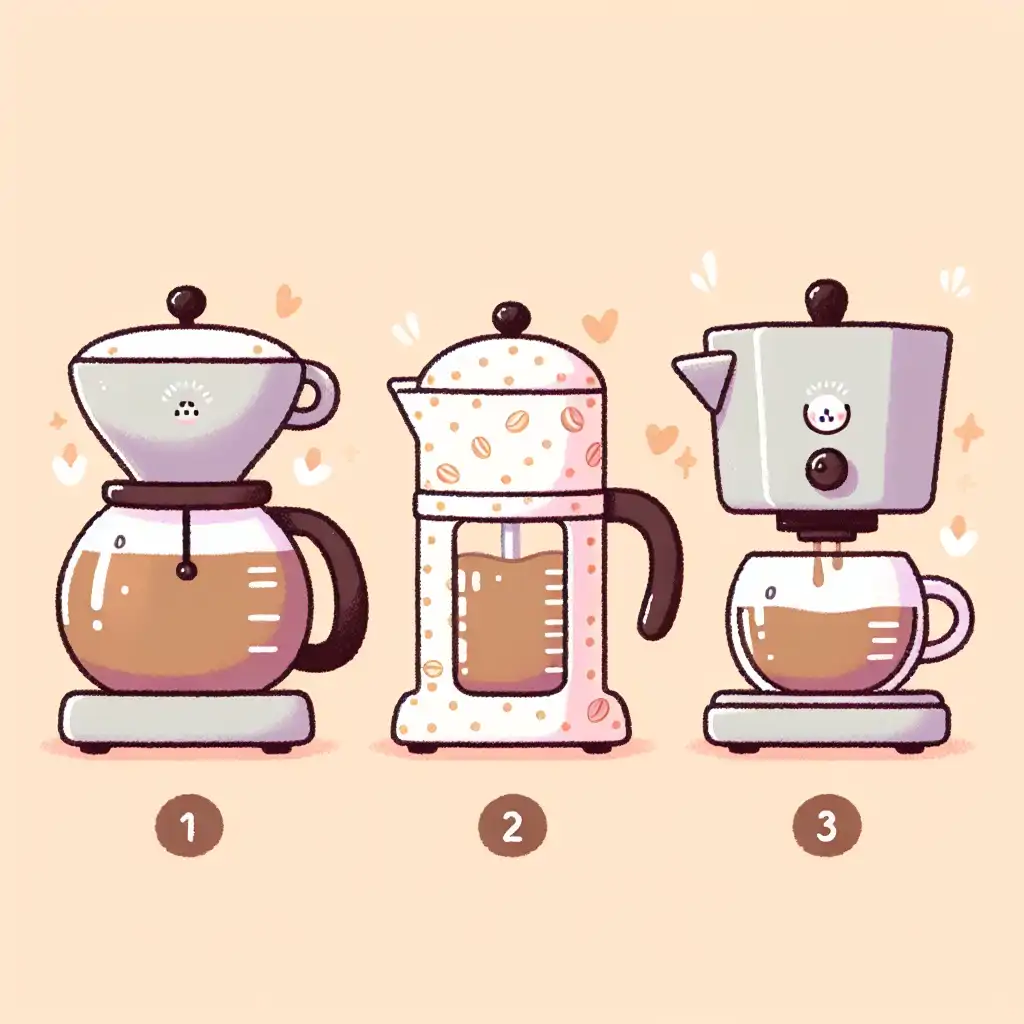
First things first, let's talk beans. This is where it all begins, and the choices here can be overwhelming. You’ve heard of light, medium, and dark roasts, and perhaps the dreaded 'decaf'. But did you know that lighter roasts preserve more of the bean’s original flavor, while darker roasts tend to showcase more roasting flavors? Here's a fun fact: Coffee beans are actually seeds from the cherry of the coffee plant. The roast level you choose will set the stage for your brewing adventure. If you're just starting out, experiment with various roasts to decipher the symphony of flavors your palate prefers. The bottom line is, whether you lean to the lighter side or relish in robust richness, there’s a perfect bean out there waiting for you.
Now, let’s dive into grind size. The importance of grind can’t be overstated. Think of it as the difference between boiling your pasta to al dente perfection or letting it disintegrate into mush. The grind size must complement your brewing method. For instance, a coarse grind is ideal for the French press, ensuring the grounds don’t seep through the mesh filter. Meanwhile, espresso requires a very fine grind, almost like powdered sugar, to maintain the right balance of pressure and flow. Statistics suggest that over 70% of coffee drinkers don't grind their own beans. By doing so, you're already in the elite tier of coffee appreciation. So, start grinding and taste the difference freshness can make!
Let’s ponder water’s role, often the unsung hero in the coffee saga. After all, your steaming cup is about 98% water. The water quality can drastically alter the taste, potentially making your magical bean potion taste like swamp soup. Ideal brewing happens between 195°F to 205°F, so avoid boiling temperatures which tend to extract bitterness. If you’re a real overachiever, use filtered water to purify your brew. Amazingly, neuroscientists found that caffeine improves memory by enhancing synaptic activity, so if this journey feels like chemistry class, blame the coffee for sharpening your brain!
When it comes to brewing methods, the choices are endless, but we'll focus on the holy trinity: drip, French press, and espresso. Starting with drip brewing, it’s like the reliable friend we all need. Simple, consistent, and effective. It’s known that nearly half of coffee drinkers opt for this method at home. A medium grind works wonders here, while a paper filter will capture the unwanted oil and sediment. Adjust the coffee-to-water ratio to taste, typically around 1:15, and voila! You've got yourself an effortless classic that pairs well with just about anything.
Next up, the French press, the artsy sibling of brewing methods. It's hands-on, but the reward is a bold and full-bodied cup. Here, a coarse grind is crucial to avoid a gritty experience. The French press method involves steeping grounds in water for around four minutes before pressing the plunger down slowly. This allows the coffee to bloom—a fancy way of saying it releases gases for an enhanced aroma. You might call the result a liquid hug; it’s rich and full of character
Lastly, let's face the formidable espresso—a shot of concentrated coffee that's like a wake-up call on steroids. Espresso machines require a bit of investment, but they empower you to create everything from cappuccinos to lattes. A fine grind is necessary to ensure the pressurized water extracts just the right amount of flavor in 25 to 30 seconds. A single shot of espresso contains about 63 mg of caffeine, a jolt that can be a game-changer for morning sluggishness. Brew it right, and you're crafting tiny masterpieces, one shot at a time.
Now, we can't forget the nitty-gritty of ratios and measurements. Understanding this math ensures you don’t end up with coffee that tastes like your high school gym socks. A general guideline you can follow is the 'Golden Ratio'—1 to 2 tablespoons of coffee for every 6 ounces of water. But this isn’t a law set in stone; adjust according to taste and preference. Playing around with ratios can lead to unexpectedly delightful flavors. Plus, it gives you a valid reason to drink more coffee, all in the name of research.
So you've brewed your coffee but why stop there? Dive into the world of enhancers to upgrade your brew to chef’s kiss status. Spices like cinnamon, nutmeg, or cardamom can introduce warmth and complexity to your cup. Almond or oat milk offers a creamy texture that can enrich the flavor palette. For those indulgent days, a dollop of whipped cream can transform your coffee into a luxurious dessert. Believe it or not, even a pinch of salt can accentuate flavors by neutralizing bitterness. The boundaries are limitless, making every cup a unique adventure.
Handling leftovers is a critical skill for waste warriors. Cold brew is a fantastic option, as leftover coffee can be turned into this smooth, delectable treat. Just let the brew sit overnight in the fridge, and you'll have a chilled coffee that's less acidic and more flavorful. Leftover coffee ice cubes are another genius hack. Freeze your extra brew in an ice cube tray to cool future drinks without watering them down. Who said leftovers had to be boring?
If you want to minimize your coffee's environmental impact, consider the life cycle of your coffee journey. French press lovers can revel in the low-waste, zero-bleach approach since the grounds can be composted. Espresso machines might consume more energy but are also more efficient in extracting every last bit of flavor. For drip coffee, consider switching to a reusable metal filter to limit paper waste. Sustainability never tasted so good, and it feels great to be a planet-friendly coffee drinker!
As you polish your technique, pay heed to storage. Proper storage can make a monumental difference, preserving freshness and flavor over time. An airtight container stored in a dark, cool place is ideal for keeping those precious beans in peak condition. Avoid the freezer; while it seems like a good idea, the fluctuating moisture zap the flavors out. Keeping your beans happy translates to a more joyful brew, making sure each cup speaks to its full potential.
For the curious beans among you, let's discuss blended vs. single origin coffee. Single-origin selections are like a solo artist performing their unique hit single. These beans come from a specific location and provide distinct flavors. Blends, meanwhile, are more like a band, offering a symphony of balanced tastes. Both have their merits, and exploring both can be an insightful journey. Many coffee shops offer themes of the month or coffee tasting events. These occasions are perfect for expanding your coffee horizons without committing to extra sacks of beans.
Let's venture into caffeine content; those magical molecules that make mornings tolerable and meetings manageable. Did you know, a single brewed cup of coffee contains about 95 mg of caffeine? This can vary, especially when adjusting roast levels or brewing methods. Understanding your caffeine tolerance and what works for you is essential. Striking the balance means you’re energized, not jittery, allowing your entire day to run as smoothly as a carefully prepared coffee.
Decaf drinkers, this one's for you. Yes, decaf still has caffeine—usually around 2 to 5 mg per cup, so it's not entirely free of caffeine. Over 12% of coffee drinkers prefer decaf, with a history rooted in taste without the stimulating side effects. Decaf has come a long way, with modern techniques ensuring the absence of chemical treatment, providing a flavor that doesn’t compromise. Whether it's late-night lounging or an evening pick-me-up, there’s always a spot on the shelf for decaf in a well-rounded coffee collection.
Exploring coffee culture is like an around-the-world ticket for your taste buds. The Turkish brew thick with grounds, Italian espressos shot to perfection, or Ethiopian coffee ceremonies—each experience offers something unique. Wherever you go, coffee acts as a social glue, a comforting companion across cultures worldwide. With over 1.4 billion cups consumed daily worldwide, you're joining a global celebration every time you pour a cup, no passport required.
Ah, latte art—the coffee equivalent of a well-crafted bouquet of flowers. While you may not start as a caffeine Picasso, this art form adds an extra layer of pleasure to coffee. Milk froth is your canvas; your challenge is to create hearts, leaves, or even complex patterns. Foam’s secret lies in temperature control and milk type, with whole milk typically offering the most promise for beginners. The goal isn't perfection but fun, and if nothing else, you’ve got a frothy delightful coffee to enjoy.
Even superstars need a little QA testing. Tasting your brew—known in the land of aficionados as 'cupping'—is part of the journey. Through this art form, you learn to identify aroma, taste, sweetness, and even aftertaste. Think of it as a way to develop your palate, navigating through the plethora of flavors and sensations. It's also a bonding experience and a wonderful conversation starter when hosting fellow coffee lovers.
Coffee obeys the laws of science, and the concept of extraction plays a pivotal role here. The aim is to extract the right amount of goodness from the grounds without swinging into over or under-extraction. The latter might produce sour notes, while the former risks bitterness. Extraction mastery is about finding that sweet spot, ensuring harmony between water and coffee. Understanding this element paves the way for consistently remarkable cups.
Our journey moves on to machines and gadgets, as the right gear can elevate your brew to cafe quality. From simple pour-overs to advanced digital espresso machines, selecting your method is a personal decision based on budget and needs. However, buying a high-end device doesn't guarantee success. The art of coffee brewing is almost zen-like, ensuring you're fully invested rather than relying on machinery. Tech is a tool, not a solution.
Coffee grinders play an essential part in achieving the best flavor from your beans. Whether you prefer a hand or electric grinder, the freshness makes a phenomenal difference. Burr grinders are preferred over blade grinders as they offer consistent grind sizes, crucial for quality. Invest in a decent grinder; it's the unsung hero that sets the stage for brewing mastery. Your old painter’s brush has now been replaced with a tool worthy of creating masterpieces.
Let's celebrate the forgotten element: temperature! The sensation of a perfect cup hits right when it’s neither scalding hot nor disturbingly tepid. The ideal temperature for most coffee brewing is between 195°F to 205°F, but personalized preference can tweak this guideline. Some hearty souls prefer cooler cold brews, while others cannot resist the steamy embrace of a near-boiling brew. Experimentation will help you find the balance for your flavor preferences.
For homebrewers aiming to unlock the gourmet experience, try pre-infusing your ground coffee. Known as blooming, this process lets CO2 escape before the bulk of water descends. By pre-infusing, you'll unlock retained flavors since the gases won’t mix during main extraction. It’s a brief moment of patience that allows the final brew to shine with amplified aroma and taste. Only a small moment, yet it offers a sensational difference that shouldn't be spurned.
Coffee’s health perks transcend its purpose as a magical energy elixir. Studies show moderate coffee consumption correlates with reduced risks of certain diseases like Parkinson’s, Type 2 diabetes, and even heart conditions. Of course, moderation is key. Too much caffeine might lead to sleepless evenings or the jitters. Knowing how to strike this delicate balance ensures you savor every sip, guilt-free while soaking in the wide-ranging benefits.
A robust array of coffee gear can resemble a sci-fi movie set. But beyond espresso machines lie wonders like AeroPress and Chemex, offering foolproof brewing methods that sweep flavor from every nook and cranny. The AeroPress, a lightweight device, famed for its simplicity and ultra-clean taste, or Chemex's gorgeous design that combines both form and function. Invite these gadgets into your kitchen, offering new flavors just a brew away.
For the historians at heart, coffee’s lineage tells an amusing epic. From accidental Ethiopian goat discovery to Middle Eastern ceremonies, Europe’s cafes that birthed ground-breaking ideas, and beyond, coffee has fueled progress and art through history. It’s an ever-evocative tale, adding more pleasure to your morning cup—knowing your steaming delight shares roots with centuries-old cultural practices.
If you’ve ventured through the labyrinth of tastes but yearn for a twist, try adding unusual ingredients. Some enthusiasts swear by ginger, coconut oil, or even a tablespoon of butter. These elements impart subtle yet astonishing depth of flavor, adding adventure to your coffee exploration. New flavors open imaginative possibilities, making each cup your unique creation. Embark on this journey with an open mind and taste buds prepared to be amazed.
Let’s not forget sustainability. Support coffee brands committed to fair trade and environmental practices. Though certification might cost a bit more, knowing your cup is both delicious and ethical enriches the experience. Conscious coffee choices can impact growers, traders, and the environment positively. Remember, every conscientious sip chips away at larger betterments, far beyond mere morning comfort.
Finally, we reach the realm of self-expression through coffee customization. From favorite mugs to hand-sewn coasters, individuality thrives not just in flavor but presentation too. A well-chosen vessel enhances the experience, line with personal identity reflecting artistry as finely-tuned as your brew's taste. This arena reinforces that coffee isn’t just for drinking—it’s for living, sharing joy, and embracing moments. So, as you raise a mug to your lips, remember: your perfect cup of coffee exists through self-expression and savor the art you’ve created.

And there you have it—everything an aspiring coffee artist needs to know to brew the perfect cup every time. Armed with insights on bean selection, understanding grind sizes, and mastering different brewing methods, your breakfasts are set to be aromatic affairs filled with pure delight. Next time you pour yourself a cup, relish knowing it's not just coffee; it's the result of thoughtful choices, curated processes, and a bit of joyful experimentation.
The adventure of coffee brewing provides both freedom and exploration—an opportunity to find what truly delights your taste buds. As you explore this vast coffee universe, notice the small personal victories: a perfectly brewed latte, a foam-free French press, or even identifying a note of citrus within your mug. Not every attempt will be flawless, but even a misplaced attempt carries lessons leading you closer to perfection.
So say farewell to inconsistent, disappointing brews and welcome your newly crafted sacred morning ritual. Ready yourself for a daily embrace by that steamy, flavorsome elixir, as it marches you into a world fueled by passion, flavour, and caffeinated creativity. Will your next cup tell the tale of Ethiopian peculiarities or whisper Mediterranean secrets? One thing is certain: each new day promises a fresh, wonderful flavor adventure.

Prijanka
Prijanka is a wellness coach and inspired blog writer. Drawing from her expertise in holistic health and her talent for motivating others, she writes insightful articles that empower readers to live healthier, more balanced lives, blending practical advice with a genuine passion for well-being.
A proud member of the B-Team
If you're curious to dive deeper into related topics, then you may find these external links useful.
1. Coffee Roast Levels Explained
A detailed exploration of different coffee roast levels, including their impact on flavor and aroma, helping you choose the right roast for your preferences.
https://coffeebros.com/blogs/coffee/the-ultimate-guide-to-understanding-coffee-roast-levels2. The Importance of Grind Size in Coffee Brewing
An informative guide on how grind size affects brewing methods like espresso, French press, and drip coffee, ensuring you achieve the best flavor possible.
https://coffeeabout.com/coffee-grind-size-chart/3. The Science of Coffee Brewing
An article diving into the chemistry and physics of coffee brewing, covering aspects like temperature, extraction, and ideal brewing methods for the perfect cup.
https://www.smithsonianmag.com/science-nature/science-behind-brewing-great-cup-coffee-180965049/4. Sustainable Coffee Practices
An overview of sustainable coffee practices, including tips on eco-friendly brewing and which certifications to look for when buying coffee ethically.
https://thecoffeeguru.net/sustainable-coffee-a-comprehensive-guide-to-ethical-and-eco-friendly-practices/5. Latte Art for Beginners
A beginner-friendly guide to creating latte art, with tips on frothing milk and simple designs to get started, enhancing your coffee drinking experience.
https://www.coffeescience.org/latte-art-beginners-guide/©2023 - 2026 SP Software Solutions Ltd. All rights reserved.